
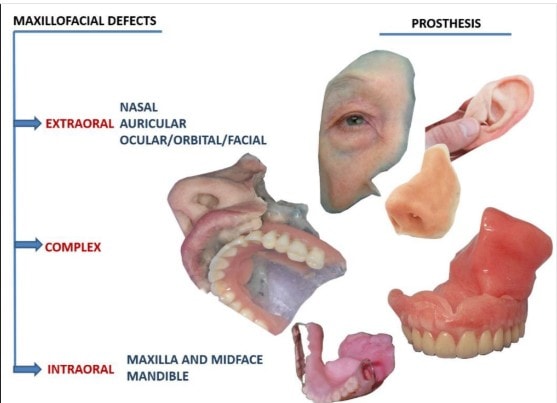
Maxillofacial prosthetics
Custom Radiotherapy Masks
Precision-fitted thermoplastic radiotherapy masks and immobilization devices for head and neck cancer patients — fabricated and fitted by Dr. Min S. Kim in close coordination with your radiation oncology team at our Washington clinics.
What is a custom radiotherapy mask?
A radiotherapy mask — also called an immobilization mask or radiation mask — is a custom-fitted thermoplastic shell that holds the head, neck, and shoulders in an exact, reproducible position during radiation therapy. Precise immobilization is critical: even small movements between treatment sessions can cause radiation to miss the tumor or damage surrounding healthy tissue.
Dr. Min S. Kim works directly with radiation oncology teams to fabricate and fit immobilization devices that are both clinically precise and as comfortable as possible for the patient. For patients who also require a prosthesis — such as a nasal, orbital, or auricular prosthesis — Dr. Kim can coordinate the prosthetic and radiotherapy planning to ensure the best outcome for both.

When is a radiotherapy mask used?
Head and neck cancers
Radiotherapy masks are standard of care for cancers of the oral cavity, oropharynx, larynx, hypopharynx, nasopharynx, and salivary glands — any site where precise, reproducible positioning of the head and neck is required across multiple treatment sessions.
Brain tumors
Primary brain tumors and brain metastases treated with external beam radiation therapy or stereotactic radiosurgery require the highest level of immobilization accuracy. Custom masks ensure the treatment field is precisely aligned at every session.
Thyroid and parathyroid cancers
Radiation therapy for thyroid and parathyroid malignancies requires consistent neck positioning to protect adjacent structures including the spinal cord, esophagus, and salivary glands.
Skin cancers of the face and scalp
Extensive skin cancers of the face, scalp, or periorbital region treated with radiation benefit from a custom mask that reproducibly positions the treatment field and can incorporate bolus material to optimize dose delivery to superficial targets.
Orbital and ocular tumors
Tumors of the orbit, eye, or periorbital region treated with radiation require precise immobilization to protect the contralateral eye, optic nerves, and brain. A custom mask is often used in combination with an ocular shield.
Post-surgical radiation
Adjuvant radiation therapy following surgery for head and neck cancers — including after rhinectomy, orbital exenteration, or mandibulectomy — requires a mask that accommodates any prosthetic devices worn during treatment planning.
Types of immobilization devices
Head and neck mask
The most common type — a thermoplastic shell that covers the face and extends to the shoulders, securing the head and neck in a fixed position. Fabricated from perforated thermoplastic material that softens in warm water and is molded directly to the patient's face.
Head, neck and shoulder mask
An extended mask that also immobilizes the shoulders — used when the treatment field extends into the supraclavicular region or when shoulder positioning affects the reproducibility of the neck position.
Open-face mask
A mask with a larger facial opening — used for patients with claustrophobia or when the treatment field does not require full facial coverage. Provides good immobilization of the cranium and neck while reducing the enclosed feeling.
Why precise immobilization matters
Treatment accuracy
A well-fitted mask ensures the radiation beam targets the tumor precisely at every session — reducing the risk of geographic miss and allowing tighter treatment margins that spare more healthy tissue.
Reproducibility across sessions
Radiation therapy is delivered over multiple sessions — often 5 days a week for 6–7 weeks. A custom mask ensures the patient's position is reproduced accurately at every visit, maintaining the integrity of the treatment plan.
Protection of healthy tissue
Precise immobilization allows the radiation oncologist to design treatment fields that minimize dose to critical structures — the spinal cord, brainstem, optic nerves, salivary glands, and cochlea — reducing the risk of long-term side effects.
Patient comfort
A mask that fits well is more comfortable to wear during treatment sessions. Dr. Kim takes care to ensure the fit is snug enough for accuracy while minimizing pressure points and discomfort.
Coordination with prosthetics
For patients who wear a facial prosthesis, Dr. Kim can ensure the mask is fabricated to accommodate the prosthesis — or coordinate treatment planning so the prosthesis and mask work together effectively.
Multidisciplinary collaboration
Dr. Kim works directly with radiation oncologists, medical physicists, and radiation therapists to ensure the immobilization device meets the clinical requirements of the treatment plan.
The fitting process
Referral and consultation
A referral from your radiation oncologist or surgeon initiates the process. Dr. Kim reviews the treatment plan, discusses the type of mask required, and answers any questions about the fitting process — including what to expect if you experience claustrophobia.
Mask fabrication and fitting
The thermoplastic material is warmed in a water bath until pliable, then draped over the face and molded to the patient's exact contours. The process takes approximately 15–20 minutes. The mask hardens as it cools, creating a rigid, patient-specific shell.
Verification and adjustment
The fit is evaluated for accuracy and comfort. Any pressure points are relieved, and the mask is trimmed and finished. Reference marks are added to align the mask with the treatment isocenter.
CT simulation
The mask is used during CT simulation — the planning scan that defines the treatment volumes and beam angles. The simulation confirms that the mask reproduces the correct position and that the treatment plan can be executed as designed.
Treatment and follow-up
The mask is used at every radiation treatment session. Dr. Kim remains available throughout the treatment course to address any fit issues, and coordinates with the radiation team if adjustments are needed.
Frequently asked questions
About Dr. Min S. Kim
Maxillofacial Prosthetist/Denturist — King's College London — 40,000+ patients treated
Precision care for every step of your treatment.
If your radiation oncology team has recommended a custom immobilization mask, or if you need a facial prosthesis coordinated with your radiation treatment, our team is here to help. Contact us at any of our three Washington locations.