
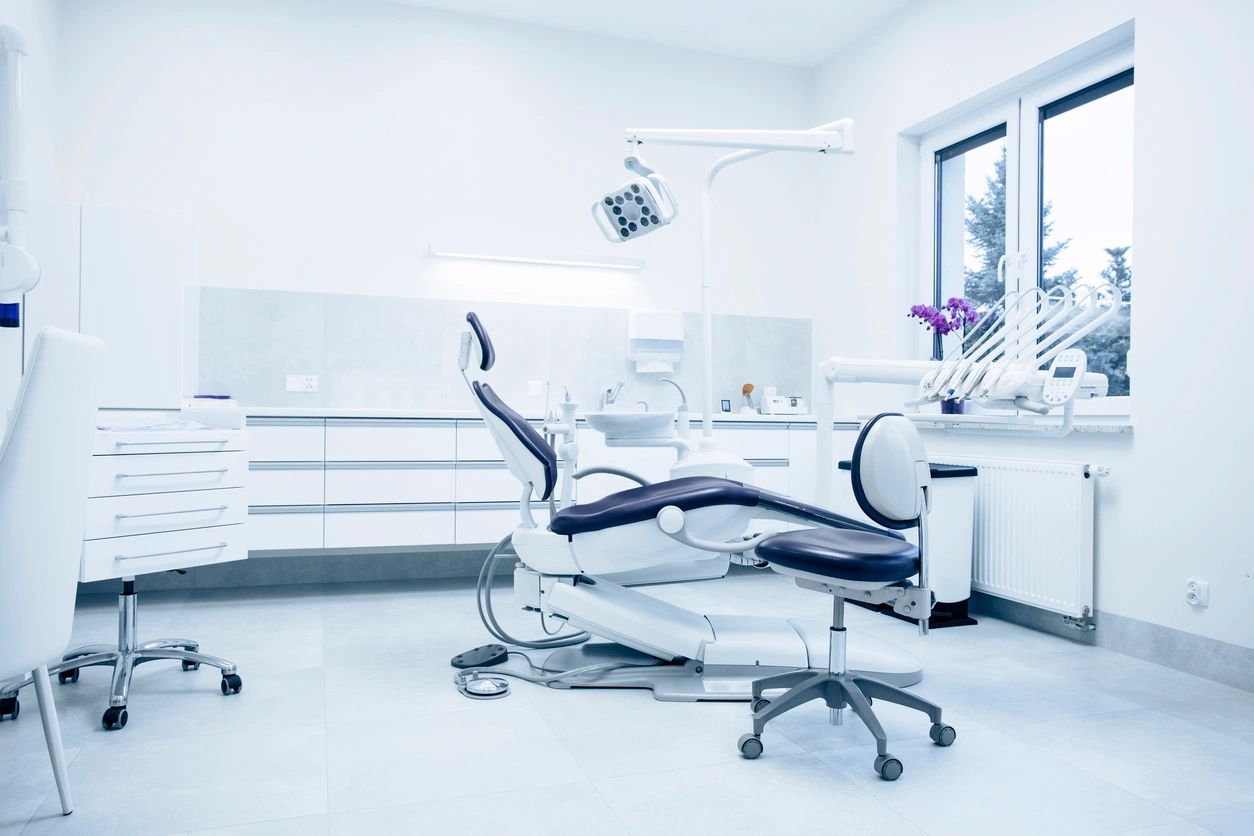
Restorative dentistry
Immediate Dentures
Walk in for extractions, walk out with a smile. Immediate dentures are placed the same day your teeth are removed — so you're never without teeth during the healing process.
No waiting. No gap in your smile.
Traditional dentures require 8–12 weeks of healing after extractions before a prosthetic can be fitted. Immediate dentures eliminate that waiting period entirely. Your custom denture is fabricated in advance and inserted the moment your teeth are removed — protecting your gums, preserving your appearance, and letting you return to daily life right away.
Dr. Min S. Kim plans every immediate denture case with precision digital measurements taken before extractions, so your prosthetic is ready to fit accurately from day one. As your gums heal and reshape over the following weeks, we schedule follow-up appointments to reline and adjust your denture for a long-term comfortable fit.
How immediate dentures work
Pre-extraction planning
Before any teeth are removed, Dr. Kim takes digital impressions and measurements of your mouth. These are used to fabricate your custom denture in our in-house lab.
Same-day placement
On extraction day, your immediate denture is inserted as soon as the teeth are removed. It acts as a bandage, protecting the extraction sites and reducing bleeding and swelling.
Healing & adjustments
Over the next 3–6 months, your gums and jawbone naturally shrink and reshape as they heal. We schedule regular follow-up visits to adjust and reline your denture to maintain a comfortable fit.
Final reline or replacement
Once healing is complete, your immediate denture is either relined for a permanent fit or used as a template to fabricate a new conventional denture — whichever best suits your long-term goals.
Benefits of immediate dentures
Never without a smile
You leave your extraction appointment with teeth in place — no awkward gap period at work, social events, or family gatherings.
Protects healing tissue
The denture acts as a protective bandage over extraction sites, helping to control bleeding and reduce post-operative discomfort.
Maintains facial structure
Immediate placement helps preserve the natural contours of your face and jaw during the critical early healing phase.
Faster return to normal life
Eat, speak, and smile with confidence from day one — no weeks of recovery before you can function normally.
In-house lab advantage
Our on-site dental lab fabricates your denture before your extraction appointment, ensuring it's ready for same-day placement.
Pathway to permanent solution
Immediate dentures can transition into a long-term conventional denture or serve as a foundation for implant-supported dentures.
Your immediate denture timeline
Consultation & planning
Dr. Kim evaluates your oral health, reviews your medical history, and takes digital impressions to begin fabricating your immediate denture.
In-house fabrication
Your custom denture is crafted in our on-site lab using your pre-extraction measurements and your preferred tooth shade and shape.
Extraction & same-day placement
Remaining teeth are extracted and your immediate denture is inserted the same day. You leave the clinic with a complete smile.
Follow-up adjustments
As your gums heal over the next several months, we make regular adjustments and relines to keep your denture fitting comfortably.
Long-term fit
Once healing is complete (typically 6–12 months), your denture is relined for a permanent fit or a new conventional denture is fabricated.
Frequently asked questions
Don't wait to restore your smile.
If you're facing extractions, ask us about immediate dentures at your next visit. We'll make sure you never have to go a day without your smile.