
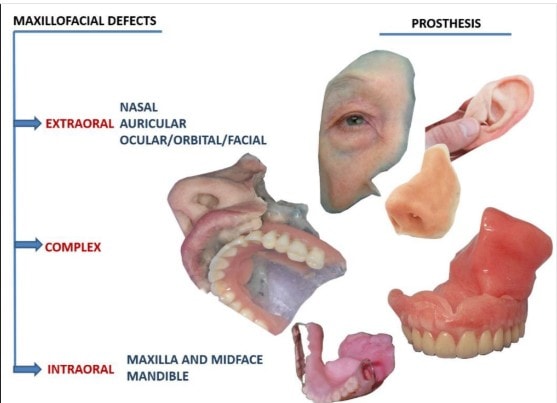
Maxillofacial prosthetics
Orbital Prosthetics
Custom orbital prostheses that restore facial symmetry and a natural appearance following the loss of an eye and surrounding orbital structures — designed and fitted by Dr. Min S. Kim at our Washington clinics.
What is an orbital prosthesis?
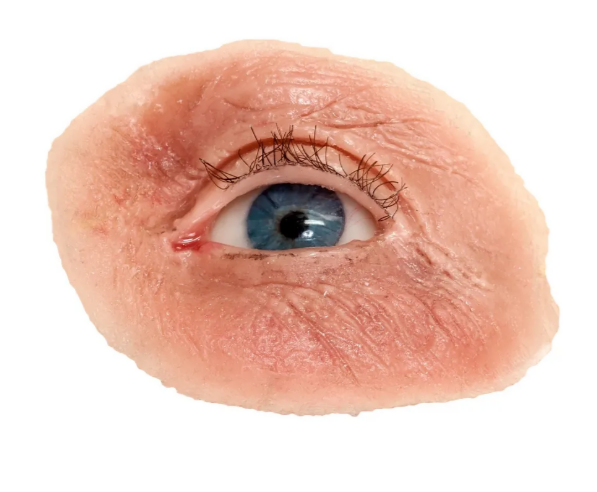
An orbital prosthesis is a custom-fabricated external facial prosthesis that replaces the eye and the surrounding orbital region — including the eyelids, eyebrow, and adjacent soft tissue — following orbital exenteration or extensive trauma. Unlike a simple ocular prosthesis worn inside an intact socket, an orbital prosthesis addresses cases where the entire orbital contents and surrounding structures have been removed.
Dr. Min S. Kim combines maxillofacial prosthetics expertise with meticulous artistry to create orbital prostheses that closely replicate the patient's natural features. Each prosthesis is individually sculpted, color-matched, and fitted — and can be retained using medical-grade adhesive or osseointegrated implants for a secure, comfortable result.
Who needs an orbital prosthesis?
Orbital exenteration for cancer
Removal of the entire orbital contents — eye, eyelids, and surrounding soft tissue — is sometimes required for ocular melanoma, orbital tumors, or advanced periorbital skin cancers. An orbital prosthesis restores appearance and protects the exenterated cavity.
Extensive orbital trauma
Severe facial injuries from accidents, blast injuries, or industrial incidents that result in loss of the eye and orbital soft tissue can be rehabilitated with a custom orbital prosthesis.
Congenital orbital defects
Patients born with significant orbital abnormalities or absence of orbital structures may benefit from an orbital prosthesis to support facial development and restore symmetry.
Radiation necrosis
Tissue loss following radiation therapy for head and neck cancers can create orbital defects that are best addressed with a prosthetic solution rather than reconstructive surgery.
Failed or incomplete reconstruction
When surgical reconstruction of the orbit has not achieved satisfactory results, an orbital prosthesis can provide a reliable, non-surgical path to improved facial appearance.
Combined orbital and nasal defects
Extensive midface defects involving both the orbit and nasal region can be addressed with a combined prosthesis, restoring multiple facial zones in a single, integrated solution.
Retention options
Adhesive retention
Medical-grade skin adhesive is the most common retention method for orbital prostheses. It is non-surgical, reversible, and suitable for most patients. Dr. Kim will guide you on application technique and the best adhesive products for your skin type.
Osseointegrated implants
Titanium implants placed in the orbital rim can support a bar-and-clip or magnetic retention system, providing a highly secure fit without adhesive. This option is ideal for patients with skin sensitivity to adhesive or those who prefer a more convenient daily routine.
Eyeglass frame retention
For some patients, a prosthesis can be integrated with or supported by an eyeglass frame, providing additional stability and a natural appearance. This approach works well when the patient already wears glasses.
What an orbital prosthesis restores
Facial symmetry
A well-crafted orbital prosthesis restores the natural contours of the eye, eyelids, and surrounding orbital region, bringing balance and symmetry back to the face.
Natural appearance
Each prosthesis is individually sculpted and hand-painted to match the patient's skin tone, iris color, and facial features — achieving a result that is natural in everyday social settings.
Protection of the cavity
The prosthesis covers and protects the exenterated orbital cavity from environmental exposure, reducing the risk of infection and tissue irritation.
Psychological recovery
Restoring a natural facial appearance after extensive orbital loss has a profound impact on confidence, social reintegration, and emotional wellbeing for patients and their families.
Non-surgical solution
An orbital prosthesis achieves significant functional and aesthetic improvement without the risks, recovery time, or limitations of complex reconstructive surgery.
Adjustable over time
As the patient's tissue matures or changes following surgery or radiation, the prosthesis can be remade or adjusted to maintain the best possible fit and appearance.
Your treatment journey
Consultation and treatment planning
Dr. Kim evaluates the orbital defect, tissue condition, and retention options. Coordination with your oncologist, surgeon, or radiation oncologist is arranged as needed to ensure optimal timing and approach.
Impressions and sculpting
Detailed impressions of the orbital region are taken. Dr. Kim sculpts a wax pattern that replicates the natural contours of the eye, eyelids, and surrounding tissue, refining the shape at the chairside until the fit and appearance are correct.
Fabrication and color matching
The prosthesis is fabricated in medical-grade silicone or acrylic and hand-painted to match the patient's skin tone, iris color, and surface detail. Veining, skin texture, and eyelash placement are added for a lifelike result.
Fitting and retention setup
The prosthesis is placed and evaluated for fit, comfort, and appearance. Adhesive technique or implant-retained hardware is set up, and the patient is trained in daily application and removal.
Follow-up and maintenance
Regular follow-up appointments monitor tissue health, prosthesis condition, and retention. The prosthesis is typically remade every 2–3 years as tissue changes or the prosthesis material ages.
Frequently asked questions
About Dr. Min S. Kim
Maxillofacial Prosthetist/Denturist — King's College London — 40,000+ patients treated
Restore your face. Restore your life.
If you or a loved one needs an orbital prosthesis, our team is here to help — from the first consultation through long-term care. Contact us at any of our three Washington locations.